



Informational Catalog

An overview of the principal informational categories explored by Wostrus. Each category is described in an educational context only. No products are sold, recommended, or compared here.

Six Areas of Educational Context

The categories below represent broad thematic areas within natural supplement science. They are informational units, not product listings. No pricing, dosage, or purchase information is provided or implied.

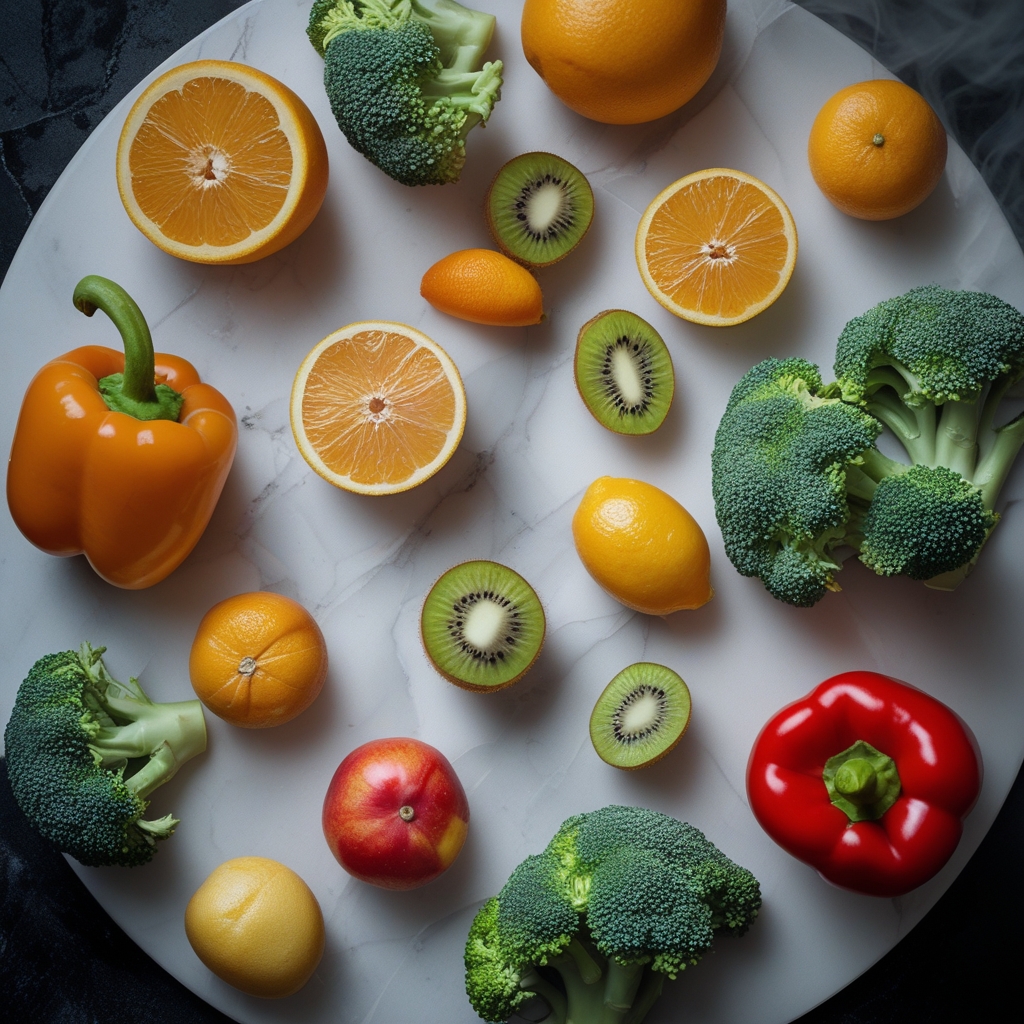
Assortment of whole fresh citrus fruits, kiwi, broccoli and bell peppers arranged on a white marble surface, representing natural vitamin-rich foods
Category 01

Vitamin Groups

An informational overview of the thirteen recognised essential vitamins, organised by solubility class. Covers the biochemical roles of fat-soluble vitamins (A, D, E, K) and the water-soluble B-complex and vitamin C, including their general functions in metabolic pathways, cellular processes, and physiological maintenance.

  • General context on fat-soluble and water-soluble vitamin classes
  • Biochemical function descriptions within established nutritional science
  • Overview of food sources and absorption context for each group
Read More
Close-up photograph of polished mineral stones and crystals including quartz, selenite and malachite arranged on dark volcanic rock
Category 02

Mineral Complexes

An educational overview of macro-minerals (calcium, magnesium, phosphorus, sodium, potassium, chloride, sulphur) and trace minerals (zinc, iron, selenium, manganese, chromium, copper, molybdenum, iodine) in the context of general physiological function. Describes the concept of mineral bioavailability and the role of food matrix on mineral absorption.

  • Distinction between macro-mineral and trace mineral categories
  • General description of mineral roles in enzymatic and structural processes
  • Context on factors affecting mineral bioavailability from food and supplements
Read More
Wild-harvested dried root slices, bark pieces and botanical specimens arranged on aged parchment paper with a magnifying glass
Category 03

Adaptogens

A contextual overview of the adaptogen concept as defined in pharmacobotanical literature. Covers the historical development of the term, the principal plant species studied in this category, and the current state of scientific understanding regarding the compounds identified within them, without making functional or therapeutic claims.

  • Historical and definitional context of the adaptogen concept in nutritional science
  • Overview of commonly studied plant species including Panax ginseng and Withania somnifera
  • Description of principal bioactive compound classes found within adaptogenic plants
Read More
Glass dropper bottles with clear and amber liquids surrounded by green botanical leaves and dried flowers on a natural linen background
Category 04

Plant Extracts

An educational description of the general category of standardised plant extracts, covering extraction methods, the concept of standardisation by active constituent, and the relationship between whole plant preparations and isolated phytochemical fractions. Explores the diversity of extract types and their position within regulatory frameworks.

  • Description of major extraction methods and their effects on phytochemical profiles
  • Context on standardisation ratios and their role in supplement manufacturing
  • Overview of regulatory classification of plant extracts in the EU and internationally
Read More
Vibrant purple blueberries, red pomegranate seeds and dark cherries arranged in small ceramic bowls on a slate stone surface with natural light
Category 05

Antioxidants

An informational overview of antioxidant compounds in the context of oxidative biochemistry. Describes the concept of reactive oxygen species (ROS) and how the body's antioxidant defence systems function. Covers dietary antioxidant classes including polyphenols, carotenoids, and antioxidant vitamins (C and E) in a scientific, non-prescriptive framework.

  • Scientific description of oxidative stress mechanisms and endogenous antioxidant systems
  • Overview of dietary antioxidant compound categories and their structural diversity
  • Context on research methodologies used to study antioxidant activity in vitro and in vivo
Read More
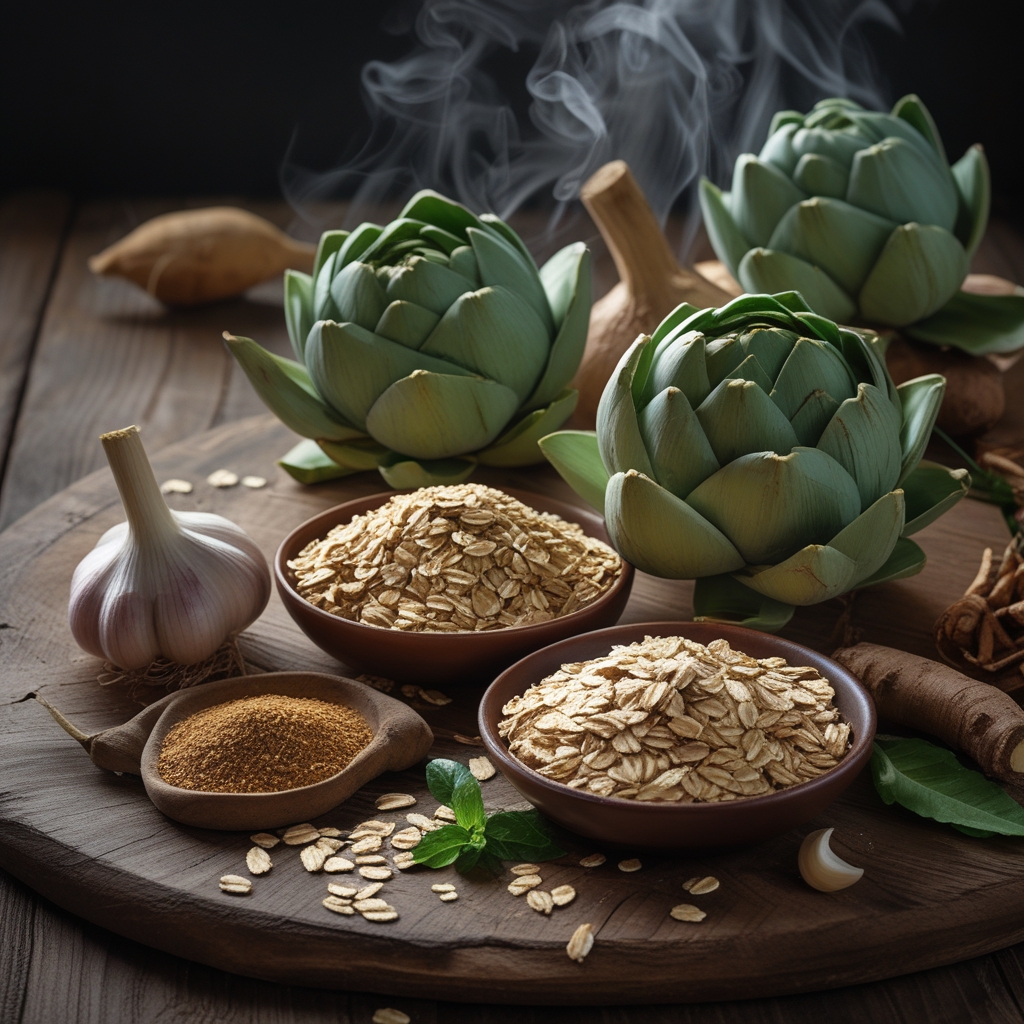
Selection of high-fiber whole foods including artichokes, onions, garlic, chicory root and rolled oats arranged on a wooden surface
Category 06

Prebiotics

An educational description of prebiotic compounds, covering the ISAPP consensus definition of prebiotics, the principal prebiotic fibre categories (inulin, FOS, GOS, pectin, resistant starch), and the relationship between prebiotic intake and gut microbiome composition. Distinguishes prebiotics from probiotics and synbiotics within a nutritional science context.

  • Definitional context for prebiotics, probiotics, and synbiotics in nutritional science
  • Overview of major prebiotic fibre categories and their fermentation characteristics
  • Description of the relationship between dietary fibre diversity and gut microbiome research
Read More

Catalog context: All categories above are informational units for educational purposes only. Wostrus does not sell, stock, or facilitate the purchase of any product. The "Read More" links direct to the general contact page for questions regarding site content; they do not initiate a commercial transaction or lead to product information.

Informational Limitations and User Context

All content in this catalog is intended exclusively for informational and educational purposes. The descriptions of supplement categories do not constitute individual dietary advice, medical guidance, product endorsements, or professional consultation of any kind.

The informational categories presented here reflect general scientific literature and established nutritional frameworks as of March 2026. The field of nutritional science evolves continuously and no information presented here should be treated as the definitive or most current scientific position on any topic.

Always consult a qualified healthcare professional before making any changes to your diet or lifestyle. Self-directed decisions based solely on general educational content are not a substitute for personalised professional assessment.